What Is a Live Dealer Casino? Technology From Studio to Screen
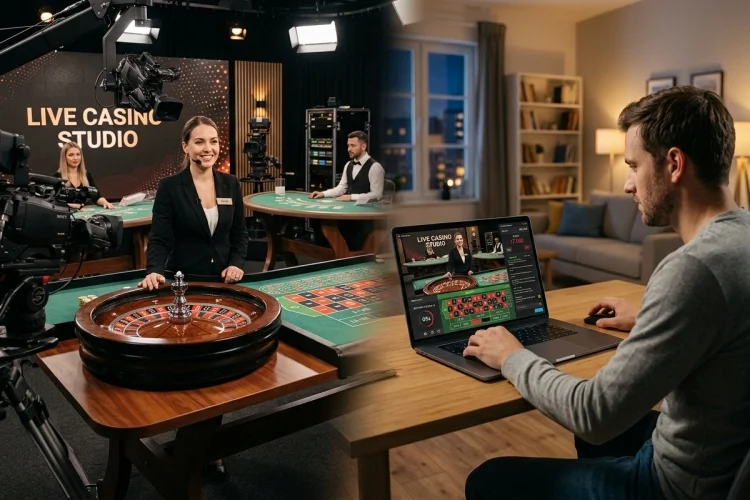
A live dealer table may look simple from the player’s perspective. A dealer appears on screen, cards are distributed or a roulette wheel is spun, and the result is displayed beside the video. Behind that familiar scene is a coordinated broadcasting and data-processing system.
Live casino technology must connect a physical event with hundreds or potentially thousands of remote betting decisions. Cameras transmit the table, recognition tools identify cards or numbers, and software records every wager before the betting window closes.
This guide explains what a live dealer casino is by following a game from the studio to the player’s screen. It covers the role of the presenter, cameras, optical recognition, game control units, digital interfaces, and automated payments.
The technology may make online gaming more interactive, but it cannot make casino betting predictable. Players remain exposed to chance, table rules, and a mathematical house advantage. Participation should therefore be limited to jurisdictions where it is legal and regulated.
The Live Casino Studio
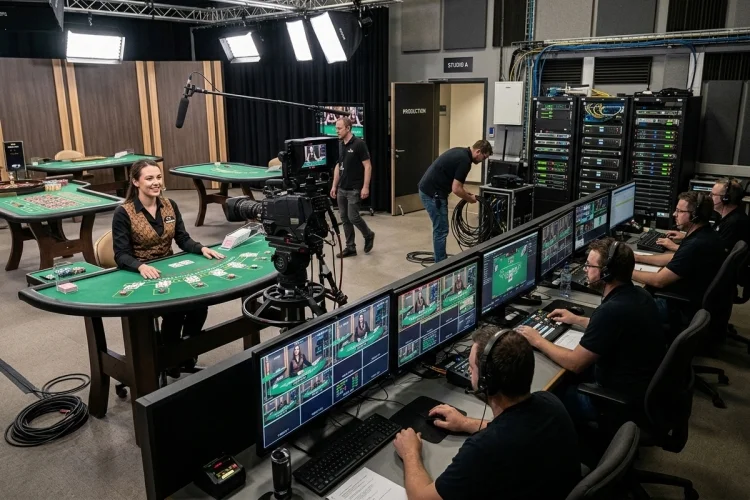
A live dealer game is usually broadcast from a purpose-built studio. Some services may instead stream from a designated area inside a land-based casino.
The setting contains real tables, approved equipment, lighting, video cameras, microphones, monitors, and production systems. Playtech has described its live operations as television-style environments containing cameras, cables, lighting equipment, and staff working behind the visible dealer.
Studios may operate continuously or during scheduled hours. Dedicated tables can also be customized for a particular operator, language, market, or group of players.
The Dealer or Game Presenter
The presenter manages the visible game. Responsibilities can include accepting the beginning of a round, dealing cards, operating a roulette wheel, announcing results, and following established procedures.
A game presenter may also respond verbally to messages entered through the table’s chat system. However, the dealer normally does not see or control individual account balances.
Evolution describes the role as presenting games through a live stream, interacting with players, learning multiple game procedures, and maintaining professional on-camera performance.
Cameras and Live Streaming
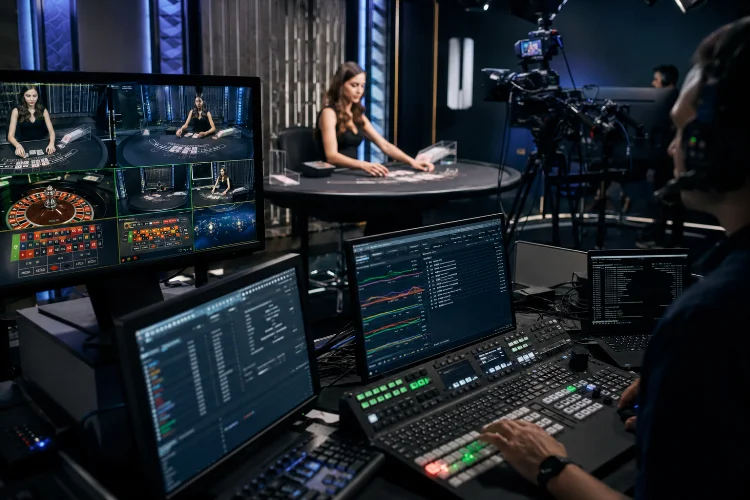
Multiple cameras may be positioned around the table. A wide view shows the dealer and environment, while closer angles allow players to see cards, wheels, dice, or other important game elements.
The video must be compressed and delivered through the internet with as little disruption as practical. The quality visible to the user can still depend on the device, internet connection, and platform performance.
Live casino broadcasts are not prerecorded replacements for gameplay. Evolution describes its live table games as being streamed in real time from studios or, when regulation requires it, from a studio located inside an operator’s physical venue.
Optical Recognition and Table Sensors
Watching a card on video is not enough for the software to settle thousands of digital bets. The system also needs the card or roulette result in a machine-readable form.
Optical recognition technology converts physical activity into game data. It can identify card values, read roulette outcomes, or track other approved elements on the table.
Sensors may provide additional information about game events. BetMGM explains that recognition hardware and software translate dealer actions into computer data, while table sensors communicate information used to track the progress of a game.
The Game Control Unit
A game control unit connects the physical table with the online platform. It helps coordinate player actions, studio information, and the betting interface.
In live blackjack, for example, the system may send a player’s hit-or-stand decision to the table workflow. It can also help identify when a hand has busted and which recorded wagers qualify for payment.
The dealer’s monitor may show the current game stage, betting countdown, table status, or player messages. It does not give the presenter freedom to change the outcome.
The Player’s Betting Interface
The digital interface sits on top of or beside the live video. It contains chips, betting areas, timers, balance information, game history, and available decisions.
A roulette player taps a number or category. A blackjack player selects hit, stand, split, or double when those actions are permitted. The request must arrive before the applicable decision window closes.
Remote gambling standards require clear information about the amount being wagered. Players should therefore confirm the total stake rather than focusing on the value of one digital chip.
Shared and Scalable Tables
A traditional blackjack table has a limited number of seats. Online providers have developed formats that allow more users to bet on a single broadcast.
Some products give each participant a separate digital hand generated from the same live-dealt sequence. Others allow unlimited users to place identical types of wagers on one shared result.
Playtech states that its Michigan studio offers All Bets Blackjack, a format designed to let an unlimited number of players join.
These scalable formats change table capacity, but players should still review the specific dealing and decision rules.
What Happens During a Connection Problem?
A temporary interruption does not necessarily cancel an accepted wager. The server may already have recorded the player’s bet before the video freezes.
The casino’s rules should explain how completed, interrupted, and disputed rounds are handled. Regulated operators are expected to use fair and transparent customer terms rather than relying on unclear discretion.
Players should record the table name, time, wager, and round identifier when reporting a technical dispute.
A live dealer casino is a broadcasting and gaming system operating at the same time. The dealer performs a physical game, cameras stream the action, recognition tools convert results into data, and a game control unit connects the table with the player interface.
The software then compares accepted wagers with the confirmed result.
This technology provides a more human and visible presentation than an automated casino game, but it cannot guarantee uninterrupted streaming or profitable outcomes. Before joining, read the table rules, connection policy, betting limits, and dispute procedure.
Verify the operator’s regulatory status and use strict session controls. The next practical step is to observe a free or informational table interface where available before risking money.